How political offices are becoming luxurious retirement homes for career politicians
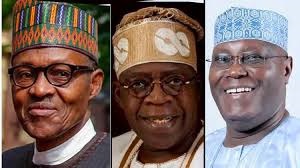
Nigeria’s politics—and indeed a significant part of Africa’s political landscape—has a gerontocracy problem. 1 in 3 senators of the 10th Nigerian National Assembly are in their 60s, and over 80% (87 out of 106 senators) above the age of 50. For a country where over 80% (approximately 206 million) of its population are below 40 years, this is a worrisome development.
At the helm of the gerontocratic clan is the nation’s president, Bola Ahmed Tinubu, who commands a cloud of controversy around his real age. Older publications class the ruling partly leader as 84 while current filings say 72. Between 84 and 72 is a “staggering” difference which would mean nothing to most Nigerians had his government fulfilled promises to improve security, economy and general living standards.

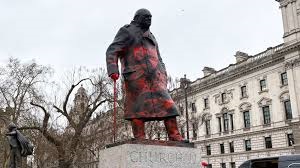
Gerontocracy, in itself, is not a problem—Mandela, Xiaoping, Konrad and Churchill attest to this. Senile and quasi-senile gerontocracy is! Nigeria, and over 20% of African countries suffer from senile and quasi-senile gerontocracy as may be evidenced in politicians with visible or emerging physical, mental and cognitive decline, who cling voraciously to power in fashions that often defy rule of law, and do not represent the interest or will of the majority.
Tinubu’s multiple campaign gaffes, embarrassing public staggering, hedonistic “emi lokan” mantra, and the descent of government chambers into party veneration fan clubs bear all the hallmarks of a frail gerontocrat insulated by cabals and out of touch with the reality of the common Nigerian.
While advocates of the Emilokan movement may claim Tinubu means well for the nation, such wealth of advice and wisdom can be offered to younger generation leaders—not greedy family members or friends—with the active capacity to execute them. This is a passionate appeal to families and persons close to the president to preserve his longevity by relieving him of the pressures of the nation’s number one office.
The labour of our heroes past shall never be in vain—unless of course, they live long enough to become power-thirsty villains.
About the Author