For 47 long years, Iranians were captives under a tyrannical Islamic cleric who overthrew their monarchy and held the entire nation hostage. He was never elected, his rule was imposed by fear, repression, and brutality. He murdered tens of thousands of his own people, silenced generations, and spread terror beyond Iran’s borders. In light of this history, it is striking that while many Iranians express relief at the decline of such leadership, some groups in Northern Nigeria have chosen instead to mourn and publicly defend the same figure associated with that system.
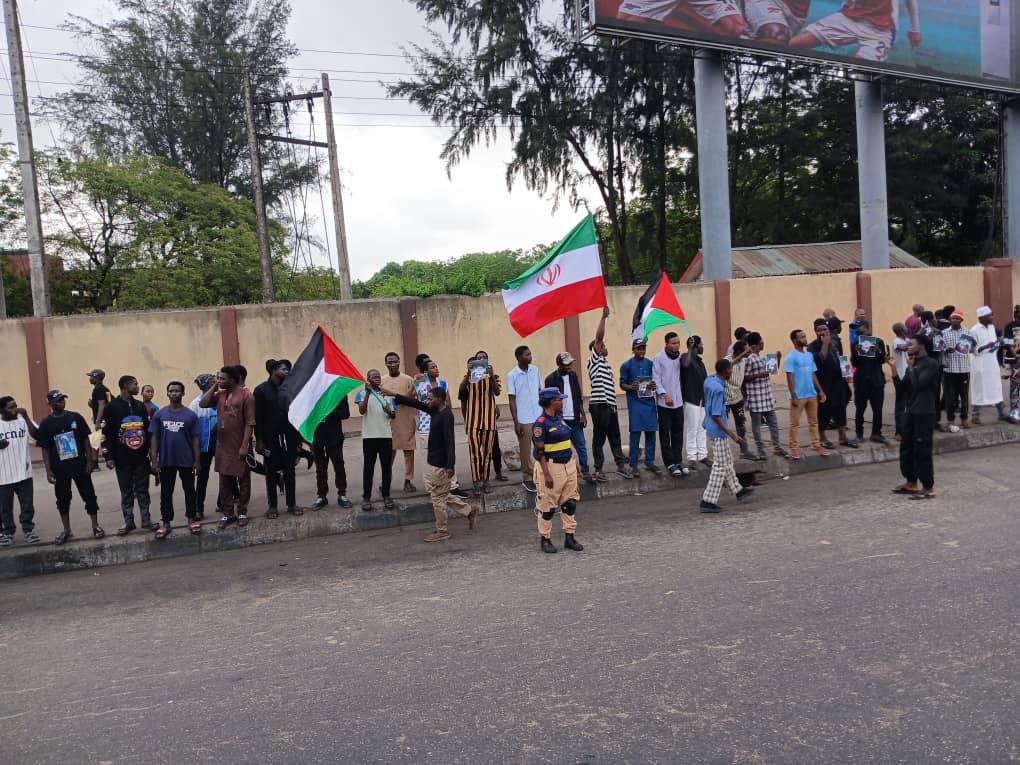
This contrast raises a difficult moral question: how can grief for leaders accused of repression outweigh solidarity with those who claim to have suffered under their rule? For many Iranians, decades of fear, imprisonment, and censorship defined life under the regime. Yet in Northern Nigeria, rallies have sometimes echoed slogans such as “Death to America” and “Death to Israel,” language that promotes hostility rather than justice or compassion.
True moral clarity demands standing with victims of oppression wherever they may be. Mourning figures associated with decades of alleged repression while ignoring the voices of those who resisted them creates a troubling contradiction. Faith, justice, and humanity should inspire support for freedom, dignity, and peace rather than the glorification of leaders tied to violence and fear.
There is also a broader national concern. Public rallies that promote death chants against other nations damage Nigeria’s global reputation and undermine its diplomatic standing. Such rhetoric contributes little to constructive dialogue and instead portrays the country as tolerant of hostility. The Nigerian government should take responsible steps to prohibit hate rallies and language that incites hatred, protecting Nigeria’s image and promoting a more responsible civic culture
About the Author